Mastering Health Communication with the Human Organs Brochure Design Bundle
Communicating complex medical and anatomical information clearly is a persistent challenge for professionals across healthcare, education, and wellness industries. Whether you’re a clinic manager needing to explain procedures to patients, a university professor preparing course materials, or a public health organization launching an awareness campaign, the need for clear, visually compelling, and authoritative resources is paramount. Creating these materials from scratch, however, can be a significant hurdle. It demands design expertise, access to accurate anatomical graphics, and considerable time—resources that are often in short supply. This is where a specialized design solution becomes not just convenient, but essential.
What is the Human Organs Brochure Design Bundle?
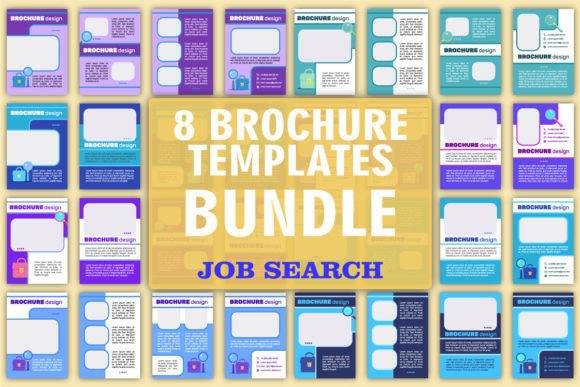
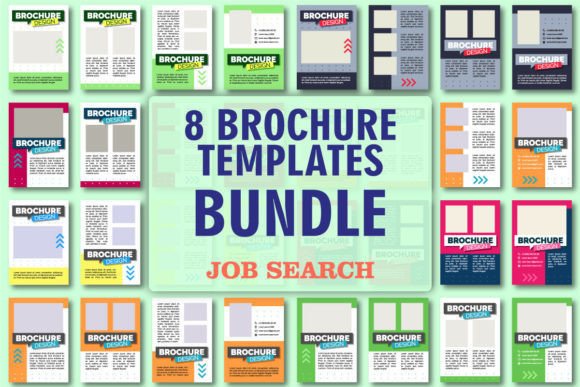
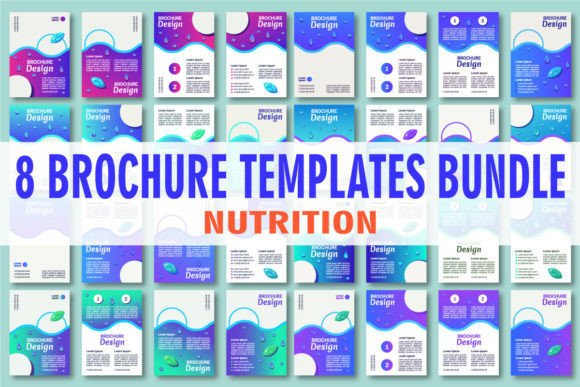
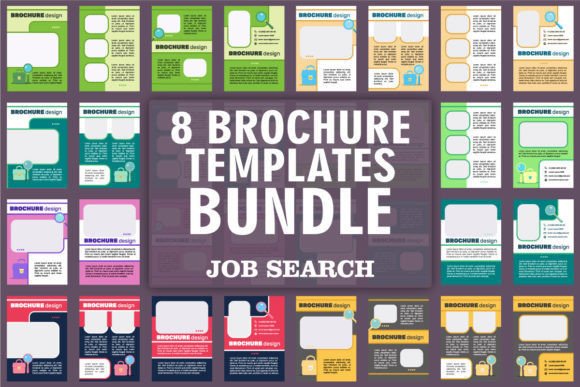
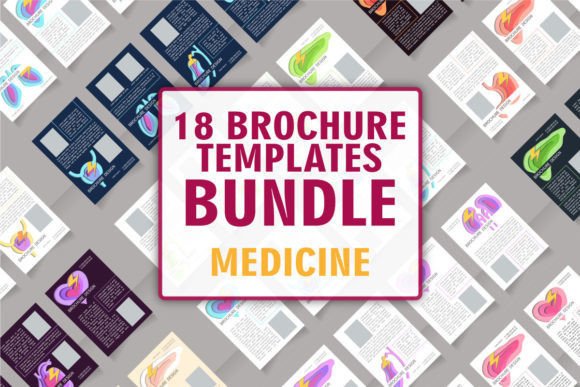
The Human Organs Brochure Design Bundle is a comprehensive collection of pre-designed templates specifically crafted for communicating information about human anatomy. It is more than just a set of images; it’s a versatile toolkit for creating professional brochures, posters, reports, and flyers. The bundle includes a vertical poster template set with empty copy space for your text, a premade corporate reports collection, and editable flyer paper pages. This means you receive a foundation of layout and design, populated with high-quality, accurate vector graphics of human organs, which you can then customize with your specific message, data, and branding.
The technical versatility of the bundle is a key strength. Product file formats include EPS, SVG, PNG, JPEG, and AI, ensuring compatibility with a wide range of software, from professional design suites like Adobe Illustrator to more accessible programs. This flexibility allows users with varying levels of design skill to effectively utilize the assets. The core offering is the creation of vector brochures and infographics templates, which are scalable and editable without loss of quality, alongside customizable elements like icons, charts, and text frames. Furthermore, the promise of new graphics every week encourages users to subscribe and stay updated, ensuring their toolkit evolves and remains current.
Addressing Core Challenges in Health Communication
The primary challenge this bundle addresses is the gap between having vital information to share and possessing the means to share it effectively. A text-heavy document or a poorly designed leaflet can fail to engage its audience, reduce comprehension, and ultimately undermine the communication goal. For a medical practice, this could mean patients leaving unclear about their treatment plans. For an educator, it could result in students struggling to grasp fundamental biological concepts. The Human Organs Brochure Design Bundle provides the structural and visual scaffold to overcome this.
By supplying professionally designed templates with scientifically accurate organ illustrations, the bundle eliminates the need for costly custom design work or the risk of using unverified, low-quality clip art. It directly serves goals such as enhancing patient education, improving student learning materials, boosting community health awareness, and presenting research findings or corporate health reports with clarity and visual impact. The need is for efficiency, accuracy, and professional polish—all of which are met by this curated resource.
Practical Applications and Positive Outcomes
Consider the practical scenarios. A physical therapy center can use the editable flyer templates to create a handout explaining knee anatomy and rehabilitation exercises, using the clear organ graphics as a reference point. A biotech company can utilize the corporate report templates within the Human Organs Brochure Design Bundle to present findings from a clinical trial in a visually engaging annual report. A high school teacher can quickly assemble a vertical poster for the classroom detailing the circulatory system, adding their own explanatory text in the provided copy spaces.
The outcomes are tangible: saved time and resources, increased audience engagement, improved information retention, and enhanced institutional credibility. The customizable elements allow for branding integration, ensuring that the final materials feel uniquely yours while maintaining a high standard of design. Instead of starting with a blank page, you start with a structured, aesthetically sound, and content-appropriate foundation, focusing your effort on the message rather than the medium.
Tailoring the Bundle to Different User Needs
How different users approach the Human Organs Brochure Design Bundle will vary based on their specific role and expertise. A design professional in a marketing agency might dive into the AI and EPS files, leveraging the vector graphics to create a fully customized campaign suite for a health client. Their focus is on deep customization and integration with other brand assets.
Conversely, an administrative staff member at a non-profit health organization with minimal design experience might primarily use the PNG or JPEG files in a simple presentation tool or word processor to quickly assemble a clear and professional awareness brochure. Their focus is on ease of use and speed. An academic researcher might value the SVG and EPS formats for creating precise, scalable diagrams for a journal publication or conference poster. The bundle’s multi-format approach inherently supports these varied workflows.
Recommendations for Implementation
To get the most value from the Human Organs Brochure Design Bundle, begin by auditing your current communication materials. Identify which items are outdated, difficult to understand, or visually lacking. Then, match templates from the bundle to these needs. Start with a single project, such as updating a patient intake brochure, to familiarize yourself with the editing process. Remember that the empty copy spaces are your opportunity to inject clear, concise, and audience-tailored language. Pair the powerful visuals with simple explanations.
A useful consideration is to maintain a library of your customized files. Once you adapt a template for your organization, save it as a new master file for future use, creating a consistent look across all your materials. Furthermore, if the service offers new graphics weekly, make a habit of reviewing updates; a newly added detailed illustration of the nervous system, for instance, might be perfect for your next project on neurology wellness.
Ultimately, the Human Organs Brochure Design Bundle is a solution-focused resource that bridges the gap between vital health information and the audience that needs to understand it. It empowers professionals to communicate with authority and clarity, turning complex anatomical data into accessible, engaging, and actionable knowledge. By focusing on the user’s end goal—effective communication—and providing the tools to achieve it efficiently, this bundle becomes more than a graphic collection; it becomes an integral part of a successful health education and outreach strategy.